The Future of Interior Design: Top Laminate Trends Shaping Spaces in 2026
Introduction
Interior design in 2026 is being defined by a perfect balance of aesthetics, functionality, and sustainability. As architects, designers, and homeowners seek materials that offer both visual appeal and long-term performance, laminates have emerged as one of the most preferred surface solutions in modern interiors.
With advancements in manufacturing technology, innovative surface finishes, and environmentally conscious production methods, laminates are transforming residential and commercial spaces alike. Their versatility, affordability, and ability to replicate premium natural materials make them a key element in contemporary interior design.
In this blog, we explore the top laminate trends shaping the future of interiors in 2026 and why they continue to be a smart choice for modern living.
Trending Laminate Designs in 2026
The design landscape of 2026 is heavily inspired by nature, simplicity, and timeless elegance. Modern laminates are now available in highly realistic textures and finishes that closely resemble natural materials while offering superior durability and maintenance benefits.
Natural Wood-Inspired Finishes
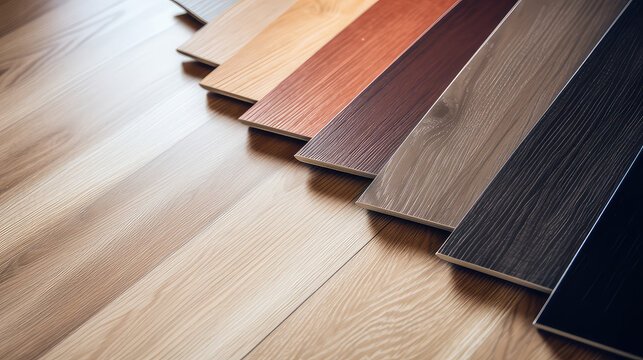
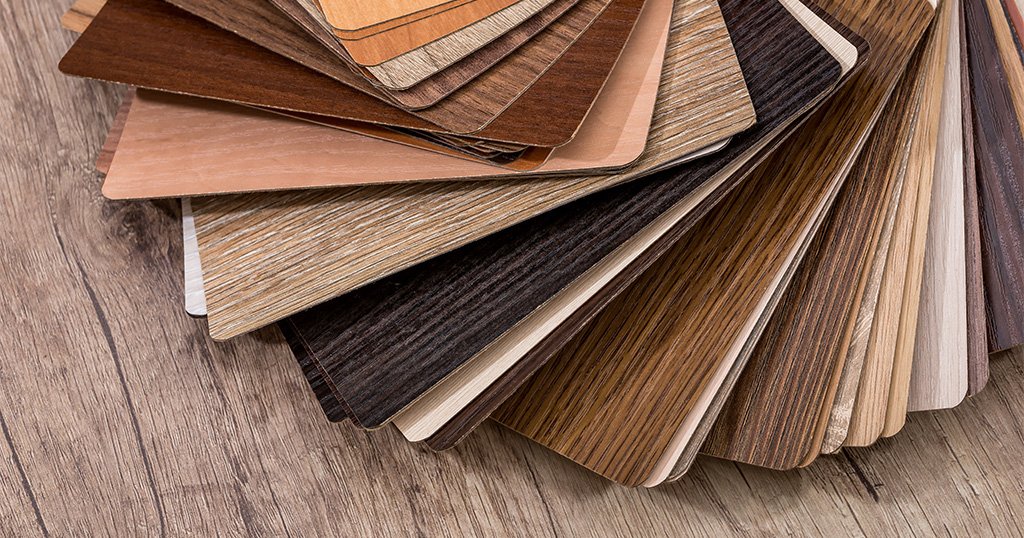
Woodgrain laminates remain one of the most popular choices for interior applications. Advanced printing and embossing technologies have enabled manufacturers to create ultra-realistic wood textures that capture the warmth and character of natural timber.
Popular wood-inspired trends include:
Light oak and ash finishes
Walnut and teak textures
Rustic reclaimed wood aesthetics
Scandinavian-inspired natural tones
Stone and Marble Effects
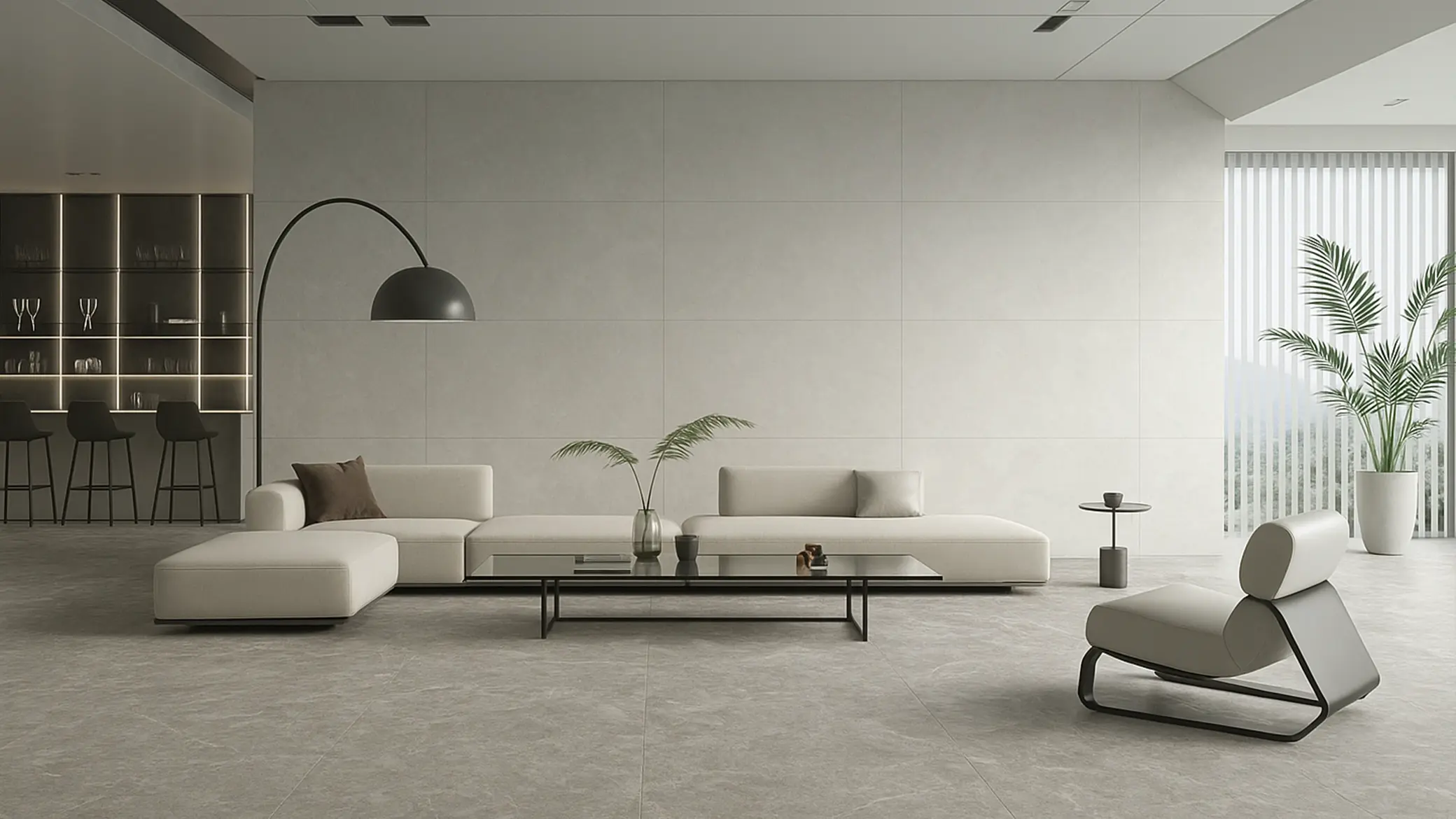
Luxury stone-inspired laminates are gaining significant attention in modern interiors. These surfaces deliver the sophisticated appearance of marble, granite, and natural stone without the associated cost and maintenance requirements.
Trending stone laminate styles include:
White marble veining
Travertine-inspired textures
Concrete-look finishes
Soft limestone aesthetics
Contemporary Color Palettes
Color trends in 2026 focus on creating calm, balanced, and inviting environments.
Popular laminate colors include:
Warm beige tones
Soft greys
Earthy browns
Sage greens
Dusty blues
Deep charcoal and navy accents
These shades help create spaces that feel both modern and timeless.
Abstract and Geometric Patterns
Feature walls, statement furniture, and creative commercial interiors are increasingly incorporating abstract and geometric laminate designs. These patterns add visual interest while maintaining a clean and contemporary appearance.
Smart Surface Finishes and Innovative Technology
The laminate industry continues to evolve through technological innovation, introducing surfaces that go beyond decorative applications.
Anti-Fingerprint Technology
One of the most sought-after features in 2026 is anti-fingerprint laminate technology. These surfaces minimize visible smudges and fingerprints, making them ideal for:
Kitchen cabinets
Wardrobes
Office furniture
Retail fixtures
Antibacterial Surface Protection
As hygiene remains a priority across residential and commercial environments, antibacterial laminates are becoming increasingly popular. These surfaces help reduce bacterial growth and contribute to cleaner, healthier spaces.
Common applications include:
Healthcare facilities
Educational institutions
Hospitality environments
Residential kitchens
Enhanced Scratch Resistance
Modern laminates now feature improved scratch-resistant coatings that provide superior durability in high-traffic areas. This makes them an excellent choice for:
Commercial offices
Hotels
Restaurants
Retail stores
Family homes
Soft-Touch and Matte Finishes
Luxury matte laminates continue to dominate contemporary interior design. Their smooth texture and elegant appearance create sophisticated spaces while offering excellent resistance to everyday wear.
Sustainability and Eco-Friendly Manufacturing
Environmental responsibility has become a major factor in material selection across the architecture and interior design industries.
Greener Production Processes
Many laminate manufacturers are investing in sustainable manufacturing practices, including:
Low-emission production systems
Reduced waste generation
Energy-efficient technologies
Responsible sourcing of raw materials
Low VOC Emissions
Modern laminates are increasingly designed with low volatile organic compound (VOC) emissions, contributing to healthier indoor air quality and supporting green building initiatives.
Recyclable and Sustainable Materials
Manufacturers are incorporating recyclable components and environmentally friendly resins to reduce the overall environmental impact of laminate production.
Choosing sustainable laminates enables designers and homeowners to support environmentally conscious building practices without compromising on style or performance.
Seamless Integration Across Modern Interiors
One of the defining design trends of 2026 is visual continuity throughout interior spaces. Designers are moving away from fragmented design approaches and embracing cohesive surface solutions.
Unified Design Themes
Coordinated laminate finishes are being used across multiple applications, including:
Wall panels
Furniture surfaces
Storage systems
Room dividers
Reception desks
Decorative feature elements
This consistency creates a more organized and premium appearance throughout the space.
Flexible Design Applications
The versatility of laminates allows them to be incorporated into virtually every area of an interior project, making them a preferred material for architects and interior designers seeking design consistency.
Long-Term Value and Performance Benefits
Beyond aesthetics, laminates continue to offer exceptional performance and value.
Moisture Resistance
Modern laminate surfaces are engineered to withstand moisture exposure, making them suitable for kitchens, utility spaces, and other demanding environments.
Stain and Heat Resistance
Daily wear and tear can significantly impact interior surfaces. Laminates provide excellent resistance to:
Food stains
Household chemicals
Heat exposure
Surface scratches
Easy Maintenance
Unlike many natural materials, laminates require minimal maintenance. Routine cleaning is typically sufficient to preserve their appearance and performance over time.
Cost-Effective Solution
Laminates offer a premium look at a competitive price point, making them an attractive option for projects of all scales, from residential renovations to large commercial developments.
Why Laminates Will Continue to Dominate Interior Design
The combination of design flexibility, technological innovation, sustainability, and long-term durability positions laminates as one of the most future-ready materials available today.
Key advantages include:
Wide range of designs and textures
Advanced functional surface technologies
Sustainable manufacturing options
Excellent durability and performance
Low maintenance requirements
Cost-effective luxury aesthetics
As design expectations continue to evolve, laminates are uniquely positioned to meet the demands of both contemporary and future interior environments.
Conclusion
In 2026, laminates have evolved far beyond their traditional role as decorative surface materials. They are now an essential design component that contributes significantly to the functionality, aesthetics, and sustainability of modern spaces.
From realistic wood and stone finishes to smart surface technologies and environmentally responsible manufacturing, laminates are redefining how interiors are designed and experienced.
Whether for residential homes, commercial offices, hospitality venues, or retail environments, laminates offer the perfect combination of style, durability, and innovation. As interior design trends continue to advance, laminates will remain at the forefront of creating sophisticated, practical, and future-ready spaces.